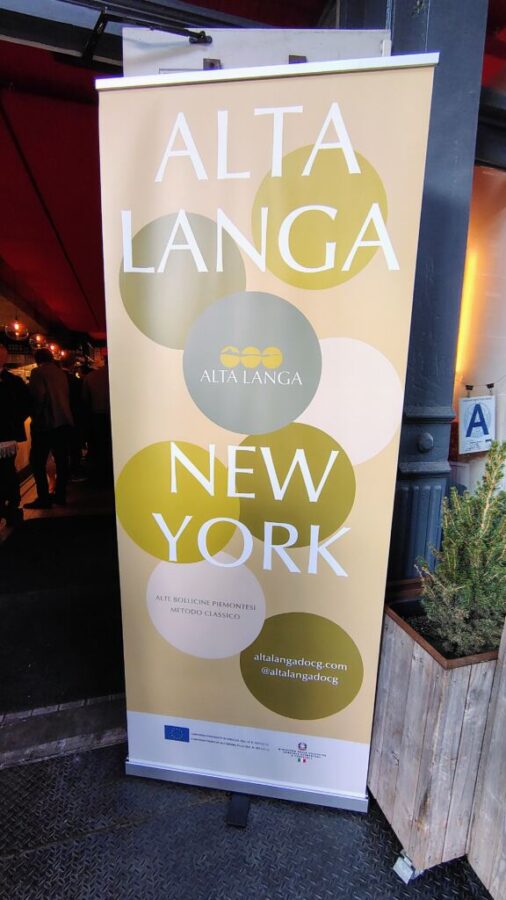
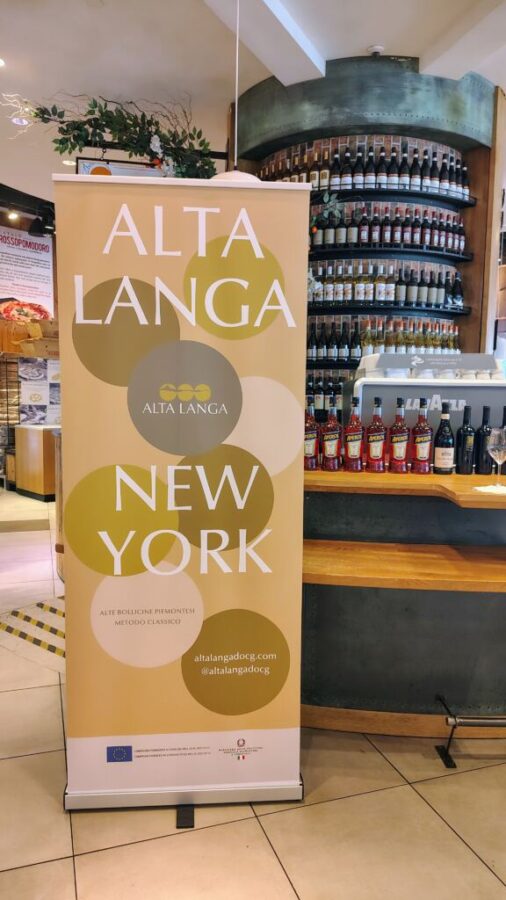
I had the opportunity to explore the traditional (metodo classico/champagne) method spumante (sparkling wine) of the Alta Langa DOCG, a hilly region in southern Piedmont spanning the provinces of Asti, Alessandria, and Cuneo during an Alta Langa DOCG Cocktail Party held at Terroir Tribeca and an Alta Langa DOCG tasting at Eataly Downtown organized by leading New York City-based wine and spirits marketing agency Colangelo & Partners. Approximately 500 hectares of vineyards are devoted to the cultivation of Pinot Noir (66%) and Chardonnay (34%) for the production of Alta Langa spumante DOCG. Alta Langa is the first Italian region to produce spumante using the traditional method.
A Little About the History:
Alta Langa traditional method spumante production dates back to the 19th century, when the Counts of Sambuy (of the Italian aristocratic family Balbo Bertone di Sambuy), introduced Chardonnay and Pinot Noir to their native Piedmont, and began making traditional method spumante.
Subsequently, in 1865, after much trial and error, Carlo Gancia created the first commercially viable traditional method Moscato spumante at his Casa Gancia wine production facility within the underground cathedrals of Canelli (a UNESCO world heritage site) in Asti Province, where Piedmont’s most renowned wineries for Moscato d’Asti DOCG and Asti Spumante production are located.
Moscato Bianco is the most widely planted indigenous white grape in Canelli, and was therefore, a natural choice for the region’s first commercially distributed traditional method Italian spumante. However, because Moscato has a higher sugar content than its champagne grape counterparts, Carlo eventually had to make a few tweaks to the process before achieving success. But his efforts paid off.
Over the course of the next century, Asti Spumante and the “frizzante” (lightly effervescent) Moscato d’ Asti became top-selling wines in Piedmont and abroad. The development of the “Asti Method” in 1898 enabled wineries to increase production of fresh and sweet, fruit-forward Asti spumante using a single fermentation in “autoclaves” (pressurized large stainless steel tanks).
Nevertheless, some of the region’s most prominent wineries including Gancia, Enrico Serafino, Fontanafredda, Giulio Cocchi, Tosti 1820, Banfi, and Martini & Rossi continued to craft traditional method spumante using Chardonnay and Pinot Noir grown on vineyards in the high-altitude Alta Langa. These “seven sisters” conducted a decade-long “Progetto Spumante” (Spumante Project) .research initiative aimed at pinpointing the terroir best suited for the cultivation of Pinot Noir and Chardonnay to make “champagne” style spumante. The first vintage, harvested in 1994, was released in 1999. The quality of Alta Langa traditional spumante was affirmed with a DOC in 2002, and a DOCG in 2011.
A number of regulations govern the production of Alta Langa DOCG to guarantee its provenance and quality:
- Pinot Noir and Chardonnay cultivated for the production of Alta Langa DOCG must be grown on hills (250+ meters above sea level) within 149 municipalities in the provinces of Asti, Alessandria, and Cuneo in Southern Piedmont.
- Alta Langa DOCG must contain a minimum of 90% Pinot Noir, Chardonnay, or a combination of the two varietals. The remaining 10% can consist of other local white grapes.
- Alta Langa DOCG is always produced as a vintage wine, with the harvest year indicated on the label.
- Alta Langa DOCG must be aged on the lees for a minimum 30 months. This process helps to give the wine structure, elegance, and depth.
- Alta Langa DOCG can be produced as a white or rose’ wine.
- Alta Langa can be produced in the Brut (6-12 RS g/l), Extra Brut (0-6 RS g/l ), and Brut Nature (0-3 RS g/l ) styles.
- Vineyard density must be at least 4000 vines per hectare.
- Maximum grape yield is 11 tons per hectare.
- Alta Langa can be made from a maximum 65% juice yield that is derived solely from the pressed pulp.
Alta Langa spumante typically has a fine and persistent mousse, and exhibits freshness and vibrancy, accentuated with balanced acidity, minerality, and salinity, aromas of white and yellow flowers, citrus, and white-fleshed orchard fruit, and toast, and notes of lemons, green apples, white peaches, and almonds.
The rosé variety is also dominated by a delicate perlage, and fresh acidity, minerality, and salinity owing to the terroir. Alta Langa rosé spumante typically exhibits aromas of red and dark flower petals, grapefruit, red berries, and brioche, and notes of strawberries, raspberries, fresh herbs, and hazelnuts.
The Consorzio di Alta Langa, comprising over 100 wineries, and 179 winemakers and grape growers, collectively, was established in 2001 to guarantee the origin of all Alta Langa DOCG, and uphold the quality reputation of the wine and region.
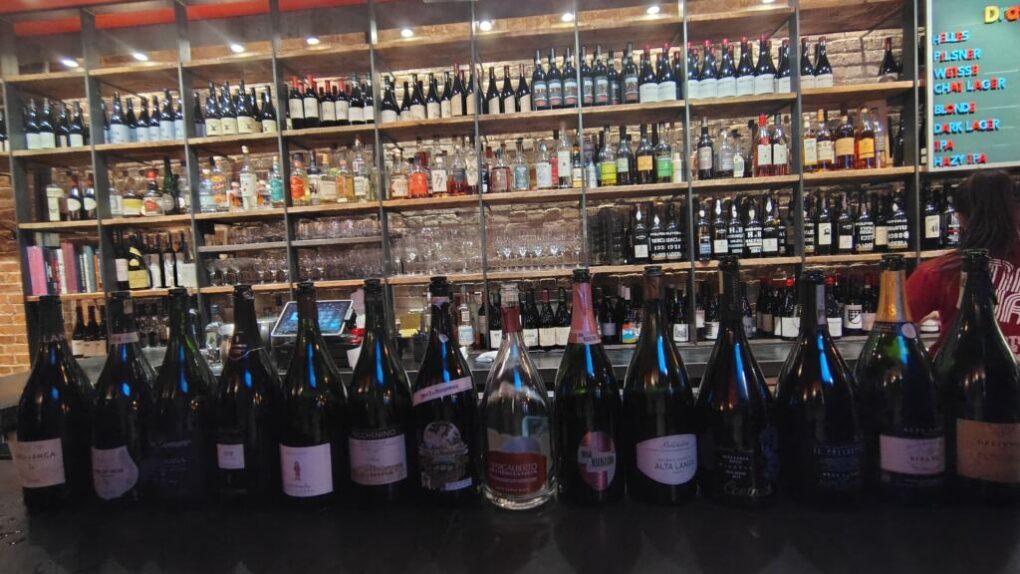
About 27 of the area’s top producers showcased a wide range of Alta Langa spumante in a variety of styles at one or both events. The featured wineries included:
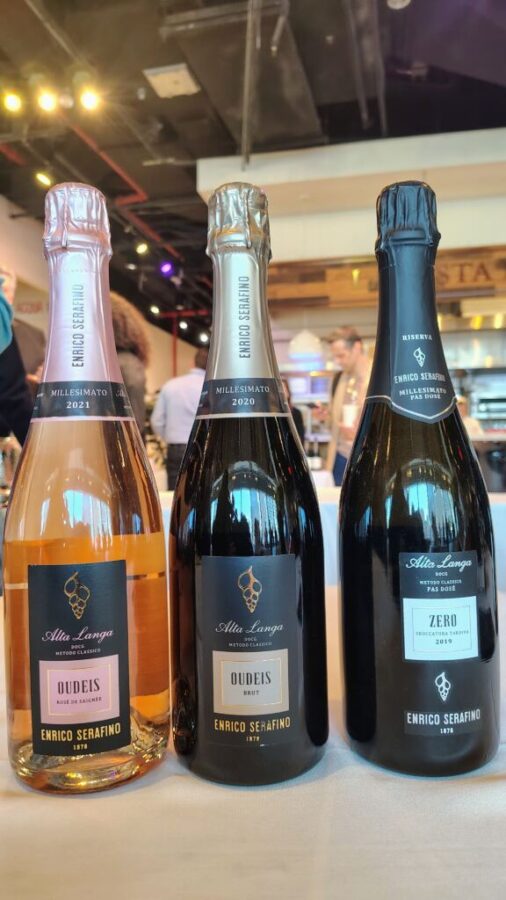
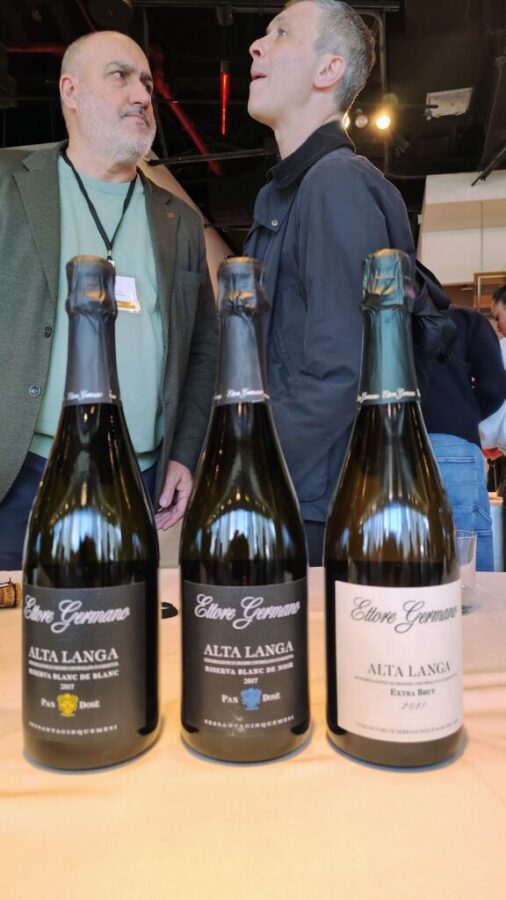
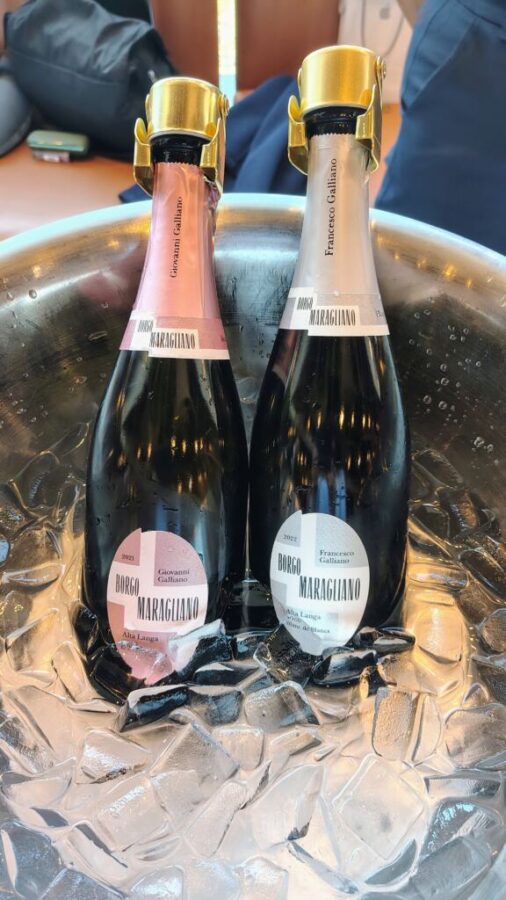
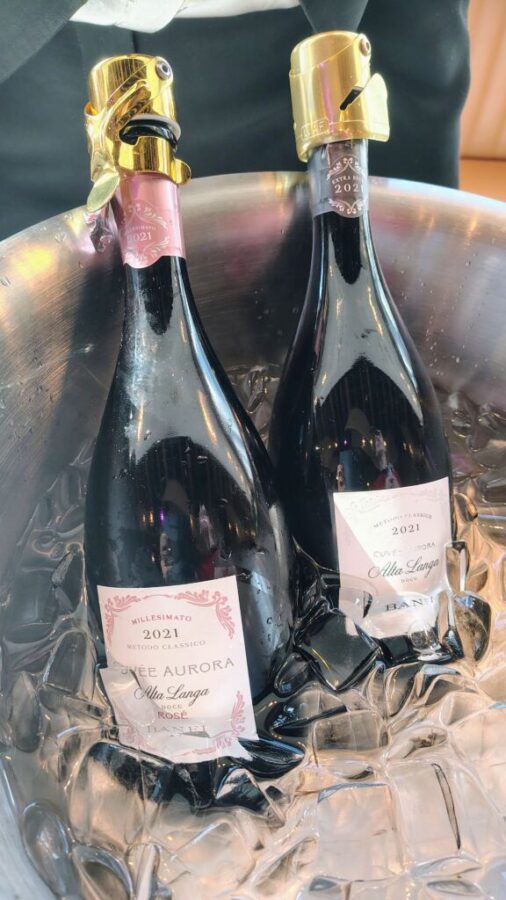
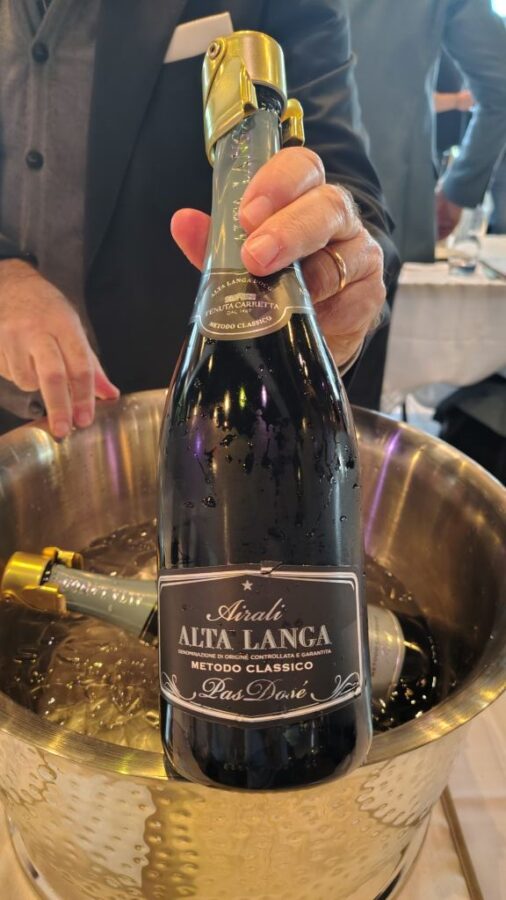
- Enrico Serafino
- Ettore Germano
- Borgo Maragliano
- Banfi
- Tenuta Carretta
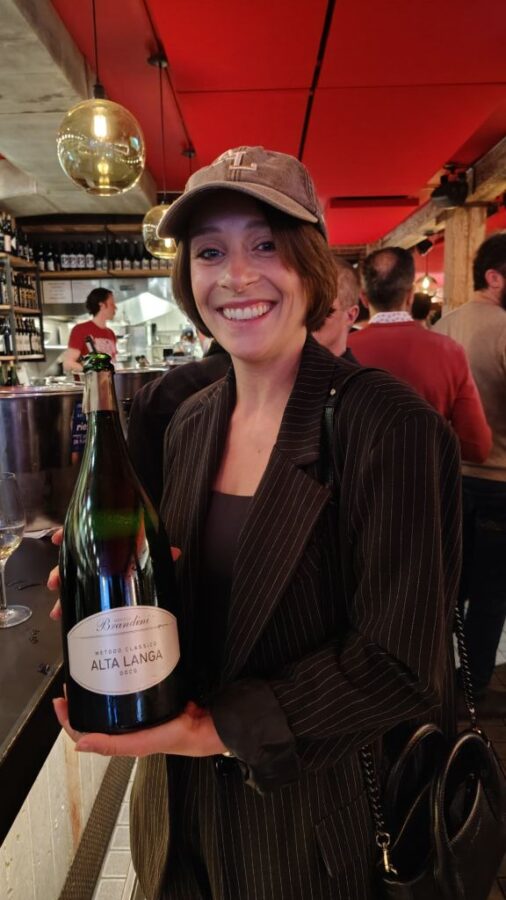
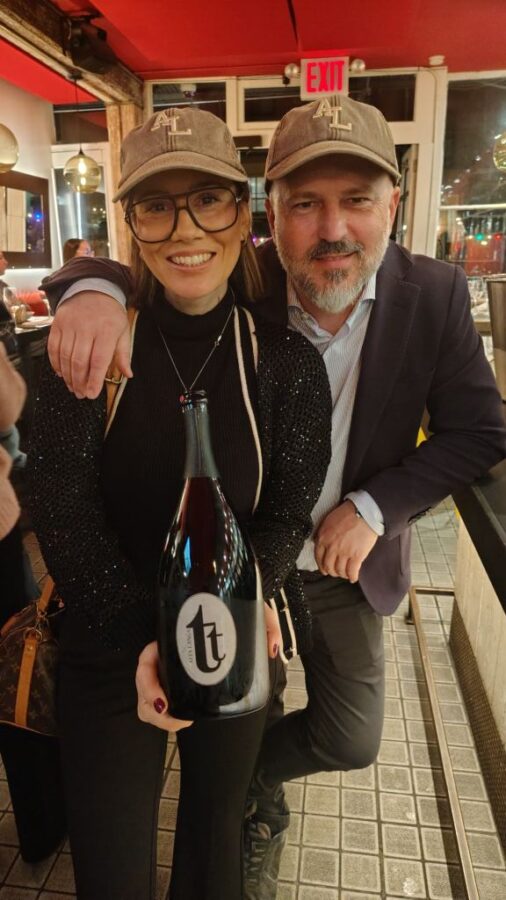
TT

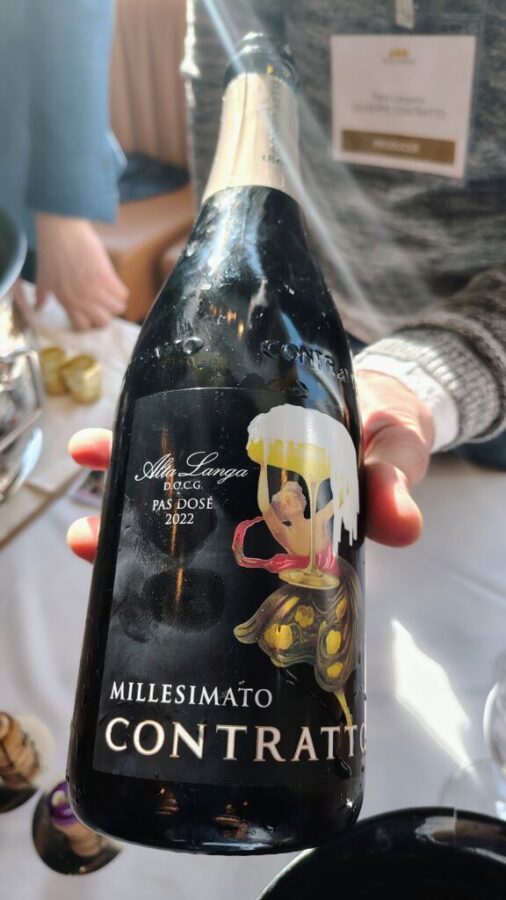
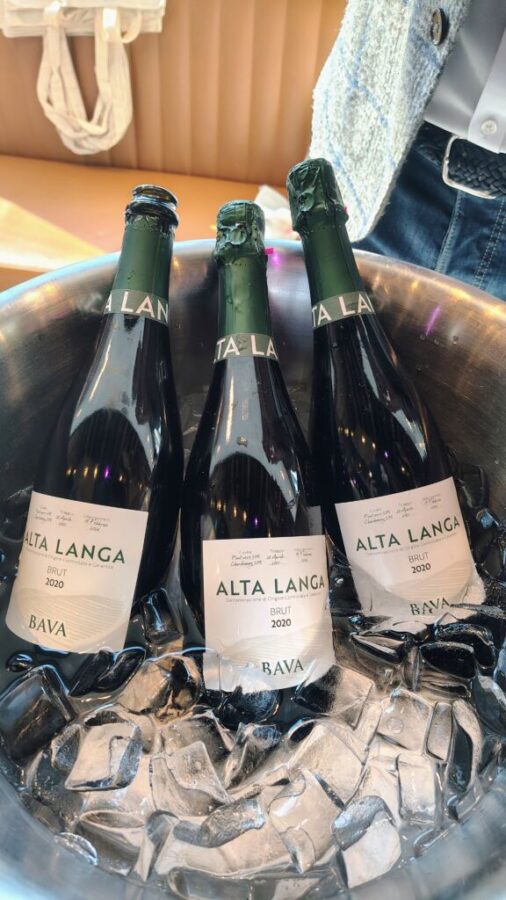
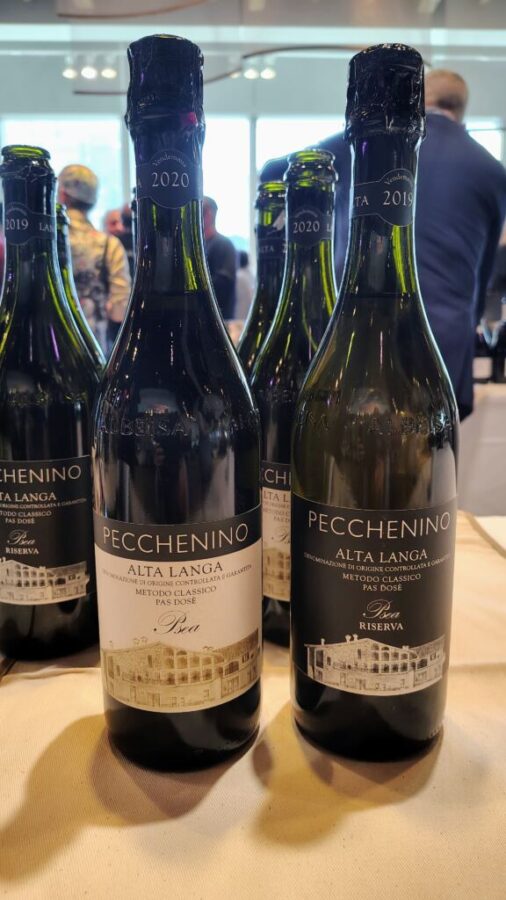
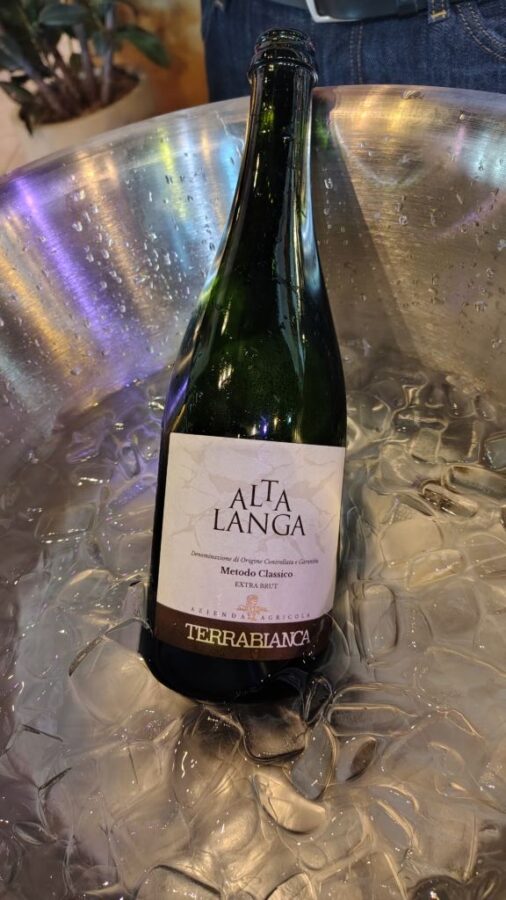
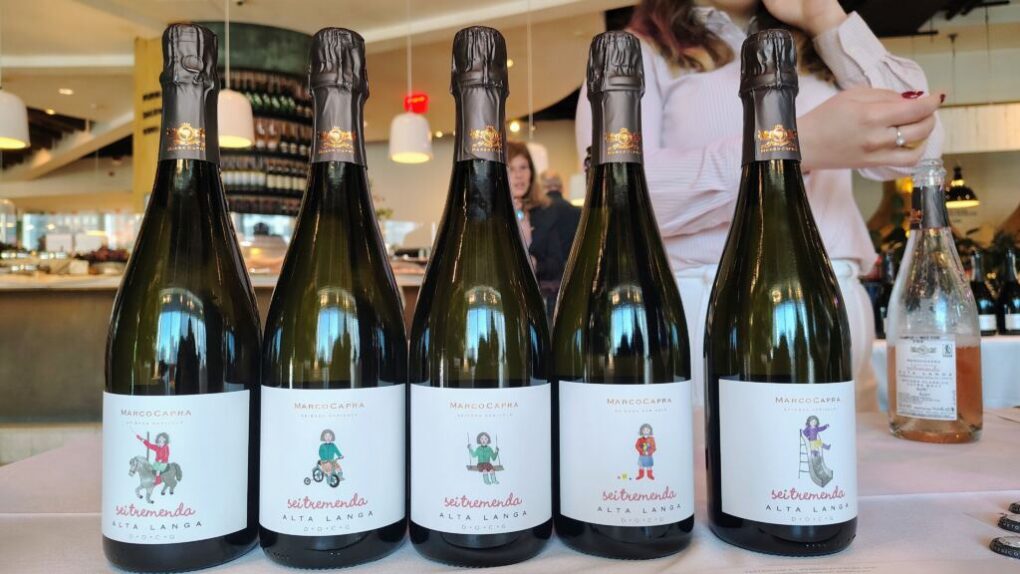
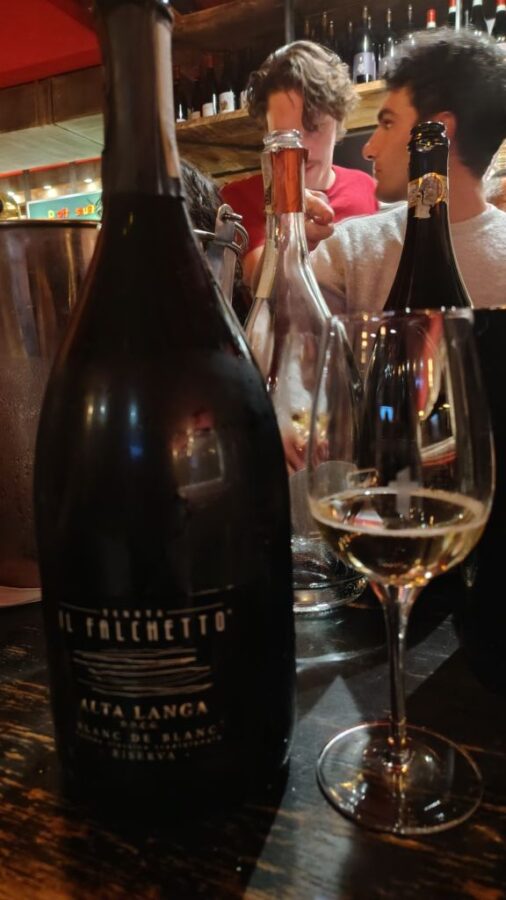
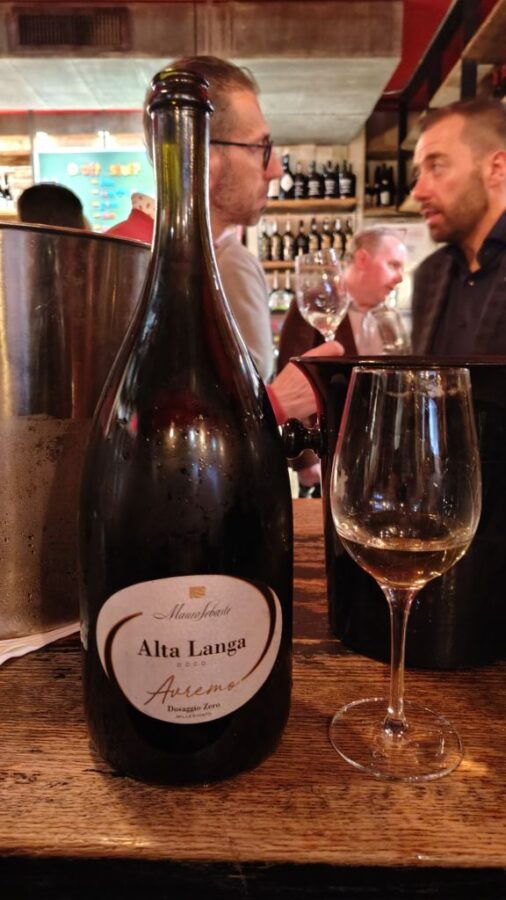
I came away from these events with a greater understanding of the quality and the rich heritage behind Alta Langa DOCG production, as well as its vital contribution to overall Italian winemaking excellence.

Be First to Comment