
If you’ve ever had Chilean pisco, then you know Chile grows grapes. Chile is a land of topographical and climactic extremes. Geographically, this long and narrow Latin American country is located between the Pacific Ocean and the Andes Mountains, and bordered by the Patagonia and the Atacama Desert. This contributes to a diverse landscape that can be coastal, mountainous, or marked by rolling hills and deep valleys, and a climate that can range from hot and arid, to wet and subtropical, depending on the cardinal direction.
Winegrowing takes place virtually everywhere in Chile including the Atacama Desert (cough it up to the adventurous Chilean spirit!), but around 80% of winemaking takes place in Central Valley, where a mild Mediterranean climate of warm and dry summers and temperate and wet winters, along with fertile hills and valleys, and dramatic diurnal temperature shifts (thanks to cold air descending from the Andes), create microclimates that are suitable for winemaking.
The loose, nutrient-rich, alluvial soil in the Valley offers good drainage and natural immunity to phylloxera. The country’s geographical position, surrounded by the Andes mountains, the Pacific Ocean, the Atacama Desert, and the Northern and Southern Patagonian Ice Fields, also guards it against the destructive insect. As a result, many Chilean winemakers produce wines from ungrafted vines that are 70+ years old.
Among the country’s many specialized winemaking regions, the Itata Valley in southern Chile distinguishes itself as the oldest and among the most unique. It’s home to many small, family-owned producers of distinctive whites, roses, and reds from heritage grapes like Semillon, Pais, Carignan, and Cinsault using dry farming and low intervention winemaking techniques. The region’s cool Mediterranean climate (moderated by breezes coming off the Pacific Ocean), cold and wet winters, dramatic diurnal temperature shifts, and granite and volcanic soil, contribute to the typically fresh, mineral-driven, and vibrant character of Itata Valley wines.
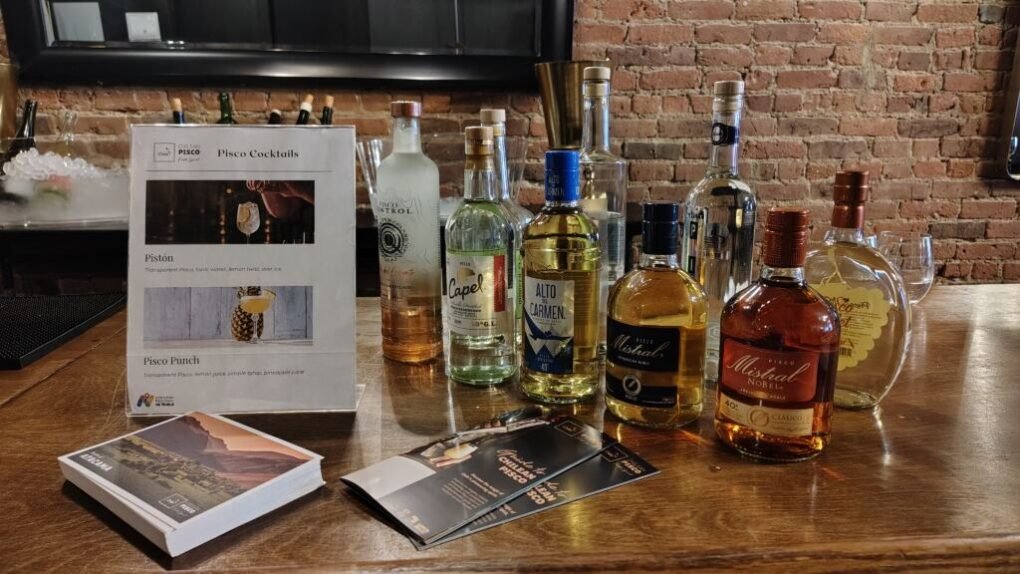
ProChile, the trade commission of Chile, in cooperation with leading New York City-based wine and beverage marketing agency Colangelo & Partners, organized an afternoon showcasing the best in Chilean pisco, wine, and gastronomy at Loft 39 in Midtown Manhattan. Andrea Martínez Sandoval led an informative masterclass session about Pisco — Chile’s national spirit, highlighting its alluring floral, fruit, and herbaceous flavor profile. The grape brandy can be sipped and savored on its own, or enjoyed in cocktails like Pisco Sour and Pisco Punch. Pisco is remarkably versatile, and can also be used to craft classics including Negroni, Old Fashioned, Manhattan, and Moscow Mule that are traditionally made using other spirits.
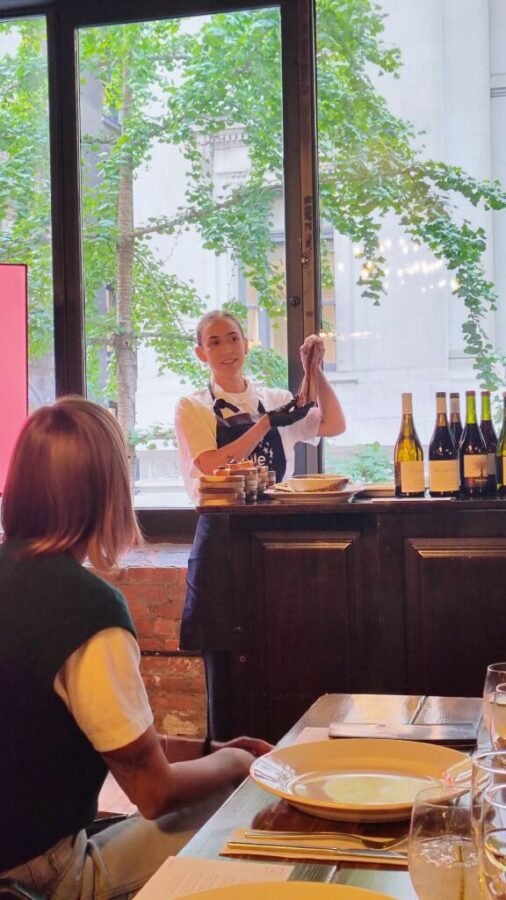
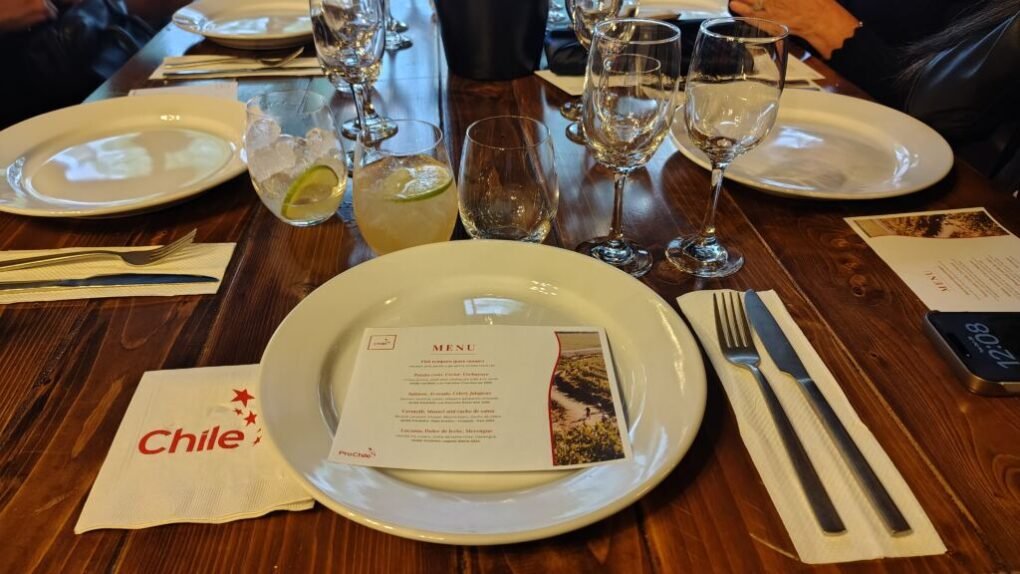
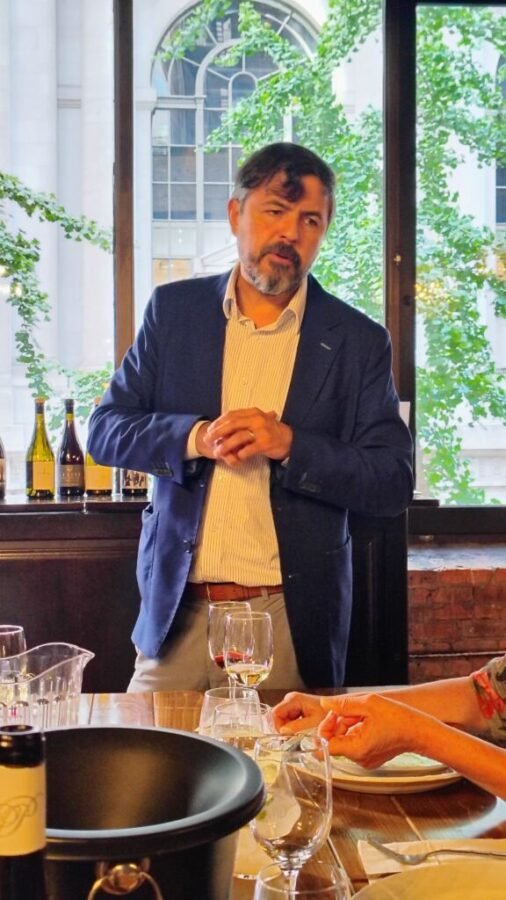
Ignacia Valdés, executive chef at Tokyo Record Bar prepared a very well-executed five-course lunch that emphasized the freshness and purity of Chilean fish and seafood, including salmon, mussels, and caviar. Jonathan Charnay, wine and beverage director at Nuyores, paired each course with the following Itata Valley wines:
Pandolfi Price Los Patricios Chardonnay 2022
A full-bodied, Burgundian-style Chardonnay, aged 22 months in neutral French oak barrels. It has balanced acidity and minerality, and a citrus and orchard fruit, almond, and vanilla flavor profile.
Pandolfi Price Los Patricios Pinot Noir 2019
A medium-bodied, Burgundian-style Pinot Noir, aged 22 months in neutral French oak barrels. It’s firm and structured, with depth, vibrant acidity and minerality, and a mixed red and dark berry, cherry, plum, mushroom, cedar, and earth flavor profile.
Viejo Encino Cinsault País 2024
A medium-bodied blend of Cinsault and País sourced from ancient dry-farmed bush-trained vines, and produced using low-intervention processes including wild native yeast fermentation and neutral oak cask aging. It’s fresh and vivacious, with balanced acidity, minerality, and salinity, soft, well-integrated tannins, and a bright red berry and stone fruit, quince, and herbaceous flavor profile.
Viñas Inéditas Terroir Sonoro Tartufo Malbec Centenario de San Rosendo
A full-bodied, textured, and firm wine made with 100% Malbec sourced from ungrafted 100+ year-old bush vines using low-intervention winemaking techniques, and aged silently in neutral oak barrels for 12 months as part of winemaker Juan Ledesma’s “Sonic Aging” approach. It’s elegant and layered, with balanced acidity, silky tannins, and a dark flower, black cherry, plum, and pepper, and tobacco flavor profile.

Be First to Comment